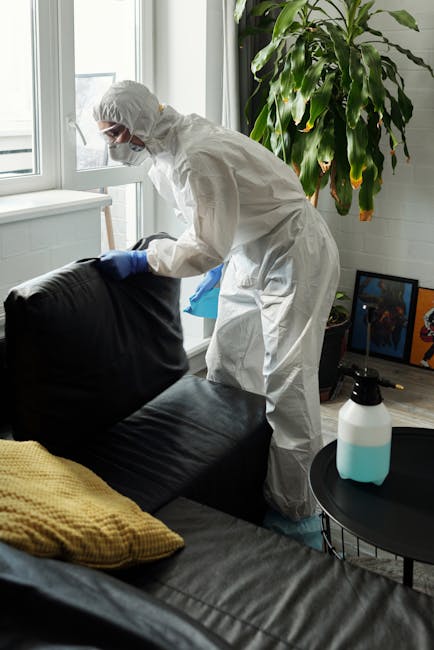
Removing sofa mould in Paddington: fast solutions
Posted on 02/06/2026
If you have spotted dark patches, a musty smell, or that fuzzy little bloom on your sofa, you probably want it gone yesterday. Fair enough. Removing sofa mould in Paddington: fast solutions is not just about making the room look tidy again; it is about stopping the problem from spreading, protecting the fabric, and getting your home feeling normal again without wasting time.
Paddington homes can be lovely and bright, but they also see the same London realities as everywhere else: cooler corners, condensation near windows, drying clothes indoors, and the occasional leak that gets missed for a few days. That is how mould settles into upholstery. The good news? If you act quickly and correctly, sofa mould can often be reduced or removed before it causes permanent staining or a lingering smell.
In this guide, we will walk through what works fast, what is safe on different sofa materials, when DIY is sensible, when professional upholstery cleaning is the better call, and how to stop the mould from coming straight back. You will also find a practical checklist and a few decision-making tips that help when you are standing in the living room, sponge in hand, thinking, "Right... now what?"
Why Removing sofa mould in Paddington: fast solutions Matters
Mould on a sofa is not one of those things you can politely ignore until next weekend. It spreads. It can deepen into the foam, cling to stitching, and leave a stale smell that hangs around long after the visible marks are gone. If you live in Paddington, especially in a flat with limited airflow or older windows, the conditions can be just right for mould to take hold.
The speed matters for three reasons. First, the fabric fibres are easier to save when the mould is still surface-level. Second, the longer mould stays damp, the more it works its way into the padding underneath. Third, once mould becomes established, cleaning gets harder, slower, and sometimes more expensive. Nobody wants to replace a perfectly good sofa because a small damp patch was left too long. That would be a bit grim, honestly.
There is also the health angle. While every case is different, mould spores can be irritating, particularly for children, older adults, and anyone with asthma or allergies. So even if the sofa still "looks mostly fine", the smell and hidden growth may tell a different story. Fast action is not panic. It is practical housekeeping.
If the mould is part of a wider household damp issue, it is worth thinking beyond the sofa itself. A clean sofa helps, but the cause may sit in the room environment. For broader home care around this area, some readers also look at domestic cleaning support in Paddington or browse the wider services overview to understand what kind of help fits their situation.
How Removing sofa mould in Paddington: fast solutions Works
At a simple level, mould removal is about three things: drying the fabric, lifting the growth, and cleaning away the residue without damaging the upholstery. The exact method depends on whether your sofa is cotton, linen, velvet, microfiber, leather, or a mixed fabric. What works well on one surface may be a terrible idea on another. That is the awkward bit.
The safest fast approach is usually this: remove loose mould first, treat the affected area with the mildest suitable cleaner, dry it thoroughly, then improve ventilation so the problem does not reappear. If the mould has soaked in, or if the sofa has a lot of hidden moisture inside the cushions, the job becomes more technical and may need professional upholstery cleaning.
Paddington homes often have more than one moisture trigger at play. A radiator that runs hot by day and cools at night. A sash window with condensation. A sofa pressed against an outside wall. A flat where drying laundry adds humidity. These are the little things that matter. In real life, mould is rarely caused by one dramatic event; it is usually a quiet build-up.
For more context on upholstery care and what professional cleaning can cover, upholstery cleaning in Paddington is the most relevant next stop on the site if you want a deeper service-level view.
Key Benefits and Practical Advantages
Fast mould removal is not just about getting the sofa back into use. Done properly, it gives you several practical wins at once.
- It protects the fabric: acting quickly reduces the chance of permanent staining or fibre breakdown.
- It cuts down odour: mould often leaves a damp, earthy smell that can spread into the room.
- It supports a healthier home: less visible mould generally means fewer spores floating around indoors.
- It saves money: early treatment may help avoid replacement or deep restorative work.
- It restores comfort: let's face it, sitting on a sofa that smells off is not exactly relaxing.
There is another benefit that people often overlook: confidence. Once the sofa is clean, dry, and no longer suspicious-looking, you stop worrying every time someone sits down. That mental reset matters more than people admit. You notice it at tea time, or when a friend pops by and the room finally feels normal again.
For tenants and landlords, speed can also reduce friction during move-outs, inspections, or handovers. If that is your situation, it may help to read about end of tenancy cleaning in Paddington and compare it with the practical expectations explained in this Paddington end-of-tenancy cleaning costs guide.
Who This Is For and When It Makes Sense
This kind of quick sofa mould treatment is useful for a few different people.
- Homeowners who notice a small patch after damp weather, a spill, or a room that has not been ventilated properly.
- Tenants who need to act fast before the mould worsens or affects their deposit situation.
- Landlords and letting agents who want a property ready for viewings or checkout.
- Busy households where the sofa gets used every day and there is no spare time for trial-and-error cleaning.
- People sensitive to odours or allergies who want the issue handled properly, not just disguised.
It makes sense to try a fast treatment when the mould is small, the sofa is structurally sound, and the material can tolerate gentle cleaning. It makes less sense if the mould is widespread, the foam feels damp deep inside, or the sofa has delicate fabric that could stain. In that case, going in too hard can make things worse. Not ideal.
If your sofa is part of a larger clean-up after a party, a holiday let turnover, or a crowded weekend, you may also find the local context helpful in this Paddington party spots article, which gives a sense of how quickly busy homes and shared spaces can get used hard and need reset.
Step-by-Step Guidance
Here is the practical version. Keep it simple, keep it controlled, and do not soak the sofa.
- Open windows and improve airflow. Fresh air matters more than people think. If you can, create a cross-breeze.
- Vacuum the dry surface gently. Use a vacuum with an upholstery attachment if available. This removes loose spores and dust without rubbing the mould deeper into the fabric.
- Test a small hidden area first. Always. Under a cushion, at the back, or along a seam is better than going straight into the visible patch.
- Use a suitable cleaning solution. For some fabrics, a mild upholstery cleaner is enough. For others, a lightly damp cloth with a fabric-safe treatment is better. Avoid saturating the material.
- Blot, do not scrub. Scrubbing can spread the mould and damage the pile or weave.
- Lift residue carefully. Wipe away the treated area with a clean cloth, using fresh cloths as needed.
- Dry the sofa thoroughly. Use air movement, not direct heat unless the fabric care label clearly allows it.
- Inspect the underside and cushions. Mould often hides in seams, under cushions, and around the frame edges.
- Address the cause. Check for leaks, humidity, or poor ventilation. If you skip this part, the mould may return.
One small but important point: if the sofa cushions are removable, dry them separately and rotate them often while drying. People sometimes forget the cushion core and only treat the visible cover. Then, two days later, that musty smell is back. Annoying, but common.
Expert Tips for Better Results
A quick clean is useful, but a smart quick clean is better. A few habits make a huge difference here.
1. Work from the outside of the patch inward
This helps keep the mould from spreading across a wider area. It sounds small, but it is one of those cleaning habits that separates a tidy result from a messy one.
2. Use less moisture than you think you need
Sofa mould often starts because of moisture. Adding more water can feed the problem or push it deeper into the filling. Damp cloth, not wet cloth. That is the balance.
3. Dry room air matters as much as the sofa
If the room is stuffy, the sofa may dry slowly and the mould may return. Keep the room ventilated for several hours if you can. In winter, that can be a bit chilly, yes, but it helps.
4. Check the cleaning code on the sofa label
Many sofas have care guidance such as water-safe, solvent-only, or professional-clean recommended. Ignoring that can lead to water rings, dye run, or flattened texture. A five-minute check can save a lot of grief.
5. Consider the surrounding surfaces
If mould appeared on the sofa, look at the wall behind it, the skirting, the curtain nearby, and the window ledge. Mould rarely arrives alone. It likes company.
For more routine household care, it may also help to review house cleaning in Paddington or the broader Paddington living insights page, especially if you are trying to keep a busy home under control through damp weather or a packed work week.
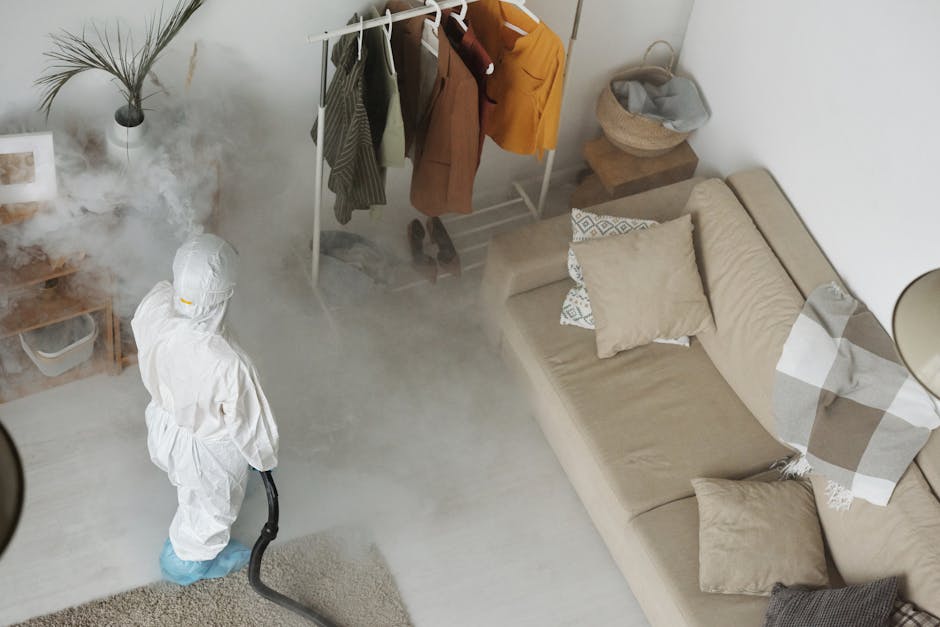
Common Mistakes to Avoid
Most sofa mould problems get worse because of a few very ordinary mistakes. Nothing dramatic. Just small choices that add up.
- Scrubbing too hard: this drives mould into the fibres and can fray the fabric.
- Soaking the sofa: more water is not more cleaning. It often means more drying time and more risk.
- Using harsh bleach on the wrong fabric: bleach can discolour upholstery and damage delicate materials. It is not a universal fix.
- Skipping the hidden areas: mould often hides in seams, under cushions, and near the frame.
- Putting cushions back too early: if the inside is still damp, the smell returns.
- Ignoring the root cause: if the room stays humid or there is a leak, mould will likely come back.
To be fair, people often rush because they want the sofa back in use. Totally understandable. But a rushed, over-wet clean can leave you worse off than when you started. Slower can be faster here. Strange, but true.
Tools, Resources and Recommendations
You do not need a garage full of specialist kit to start. A sensible, compact toolkit is usually enough for a first response.
- Upholstery vacuum attachment for dry surface cleaning
- Soft-bristled brush for very gentle lifting on suitable fabrics
- Microfibre cloths for blotting and residue removal
- Fabric-safe upholstery cleaner matched to the sofa material
- Fan or dehumidifying airflow to help drying
- Disposable gloves if you are handling visible mould directly
If the sofa is valuable, antique, velvet, silk-blend, or otherwise tricky, professional cleaning is usually worth considering sooner rather than later. A skilled upholstery cleaner can test the fibre, judge the moisture limit, and use a method that is less likely to leave a tide mark or texture change.
For readers comparing service choices, the site's pricing and quotes information can help set expectations, while about us gives a sense of the company background and approach. And if safety and handling matter to you, the insurance and safety page is worth a quick look too.
Law, Compliance, Standards, or Best Practice
For most households, sofa mould removal is less about formal regulation and more about sensible best practice. Still, there are a few standards of care worth keeping in mind, especially if the work is happening in a rented property, a managed building, or a business space.
In the UK, landlords and property managers are generally expected to maintain homes in a condition that does not allow avoidable damp and mould issues to go unchecked. The exact responsibilities depend on the tenancy, building condition, and cause of the mould, so it is best to approach that carefully rather than assume one rule fits every case. For tenants, reporting leaks, condensation, or visible mould early is usually the smartest move.
For cleaning work itself, good practice means using suitable products, avoiding unnecessary chemical exposure, and protecting surfaces from damage. If you hire a cleaner, it is reasonable to expect transparent terms, clear safety handling, and respect for privacy and complaints procedures. Those site policies are available here if you want them: terms and conditions, privacy policy, and complaints procedure.
For a company perspective on workplace conduct and responsible operations, the policy pages on health and safety and modern slavery also help signal a wider commitment to proper standards. Not glamorous, perhaps, but it matters.
Options, Methods, or Comparison Table
Different sofa mould situations need different approaches. Here is a straightforward comparison to help you decide what fits.
| Method | Best for | Speed | Risk level | Notes |
|---|---|---|---|---|
| Dry vacuum and light spot treatment | Small surface mould on durable fabric | Fast | Low to moderate | Good first response, but must be followed by proper drying |
| Fabric-safe upholstery cleaner | Most everyday sofa fabrics | Fast to moderate | Moderate | Always test first on a hidden section |
| Deep professional upholstery cleaning | Delicate fabric, larger patches, lingering smell | Moderate | Lower risk when done properly | Often the best option when the mould has reached the filling |
| Replacing the affected cushion or sofa | Severe contamination or structural damage | Fast once decided, but costly | Lowest cleaning risk, highest cost | Sometimes the only sensible route if mould is widespread |
For most readers, the decision comes down to depth and fabric type. If the mould is a small surface issue, a careful DIY response may be enough. If the smell is deep, the patch keeps reappearing, or the sofa is expensive, professional cleaning usually pays for itself in stress alone.
Case Study or Real-World Example
A typical Paddington scenario goes like this. A two-seat fabric sofa is pushed against an external wall in a compact flat. After a few wet weeks, the owner notices a faint musty smell and a few dark spots behind one cushion. Nothing dramatic at first glance, so it is easy to ignore. A week later, the patch is larger and the room feels a bit stale in the mornings.
The response that works best in cases like this is usually plain and practical. Move the sofa away from the wall, vacuum the dry surface, treat the visible mould carefully, and dry the area fully with better airflow. Then inspect the wall, window frame, and nearby floor for condensation or damp. If the sofa cushion still smells musty after drying, the issue is likely deeper than the visible mark.
In one real-world style situation, people often discover the fabric itself is fine but the underlying room conditions are the real culprit. Once the moisture source is corrected, the sofa stays clean much longer. That is the key. A clean sofa in a damp room is a temporary fix; a clean sofa in a dry, ventilated room is a proper result.
If the problem arose during a move, checkout, or room refresh, the article on apartment cleaning on Sussex Gardens gives another useful local example of how compact London homes often need targeted cleaning rather than a broad, one-size-fits-all approach.
Practical Checklist
Use this quick checklist before, during, and after cleaning.
- Identify the sofa material and check the care label.
- Open windows and improve airflow.
- Vacuum the dry mould gently before applying any liquid.
- Test the cleaning product in a hidden area.
- Blot gently; do not scrub aggressively.
- Clean seams, corners, and under cushions.
- Dry the sofa fully with ventilation or airflow.
- Check the wall, floor, and nearby windows for damp or condensation.
- Repeat a light inspection after 24 hours.
- Book professional upholstery cleaning if the smell, stain, or dampness remains.
Expert summary: the fastest route is rarely the harshest one. Start with dry removal, use the mildest suitable treatment, dry thoroughly, and fix the moisture source. That sequence gives you the best chance of saving the sofa without creating new problems. Simple enough on paper, but it works.
Get a free quote today and see how much you can save.
Conclusion
Removing sofa mould in Paddington quickly is really about timing, restraint, and good judgement. Move fast, but not recklessly. Treat the visible mould, dry the sofa properly, and then look at why the problem happened in the first place. That last step is the one people skip, and it is usually the one that matters most.
Whether you are dealing with a fresh patch after a damp week or a smell that has quietly settled in over time, the goal is the same: save the sofa if you can, protect the room, and get back to a home that feels clean again. And if the job feels a bit bigger than a sensible DIY fix, that is not failure. It is just a sign that the sofa deserves a more careful approach. Nothing wrong with that.
For readers who want to explore more about living and caring for homes in the area, the wider Paddington articles such as Paddington's local guide and the property handbook also give helpful background on the neighbourhood and its homes.