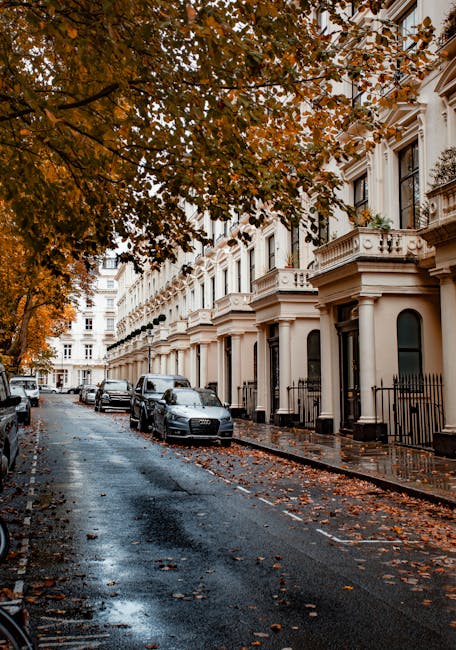
Apartment cleaning on Sussex Gardens, Paddington
Posted on 14/05/2026
Apartment cleaning on Sussex Gardens, Paddington: A Practical Local Guide for Better Results
If you live in, rent out, or manage a flat on Sussex Gardens, you already know the rhythm of the area: busy mornings, luggage wheels on pavements, the occasional draft through an old sash window, and that constant London dust that seems to arrive uninvited. Apartment cleaning on Sussex Gardens, Paddington is not just about making a place look tidy for an afternoon. It is about keeping a home healthy, calm, presentable, and easier to live in day after day.
Whether you need regular domestic help, a one-off deep clean, or a thorough reset before guests, a move, or a tenancy handover, the details matter. Shared entrances, compact layouts, decorative features, high footfall, and hard-to-reach corners can all change how cleaning should be done. This guide walks through what to expect, what works well, and how to avoid the little mistakes that can turn a simple job into a headache.
For readers comparing broader service options, it can also help to look at the wider services overview and the more specific domestic cleaning in Paddington and house cleaning in Paddington pages so you can match the service to the actual condition of the property. That sounds obvious, but honestly, it saves time.
Why Apartment cleaning on Sussex Gardens, Paddington Matters
Sussex Gardens sits in a part of London where apartments often work hard. They are lived in by commuters, long-stay residents, short-let guests, professionals, families, and people who simply want a convenient base near transport and the West End. That variety matters because the cleaning needs of a flat change depending on use.
A home that is occupied every day will build up kitchen grease, bathroom limescale, dust on skirting boards, fingerprints on switches, and the sort of overlooked clutter that makes a place feel more tired than it really is. A rental apartment may have a different problem entirely: turnover. In that case, the cleaning needs to be consistent, fast, and detailed enough to meet a reasonable expectation of cleanliness for the next occupant.
There is also the setting itself. Paddington properties can vary a lot. Some are modern apartments with straightforward layouts, while others have period features, narrow hallways, older fittings, or awkward corners that need a bit more care. In a building where dust settles quickly and visitors come and go, routine upkeep prevents the kind of grime that quietly builds until one day you notice it everywhere.
There is no glamour in cleaning, to be fair. But there is a very real difference between a flat that is simply "not dirty" and one that genuinely feels fresh, calm, and well looked after. That difference is often what people remember first when they walk in. Smells, light, and the feel of the surfaces matter more than people think.
If you are learning more about the local area and its character, the article Paddington living: what the locals say is a helpful companion read, and exploring the charms of Paddington gives useful local context too.
How Apartment cleaning on Sussex Gardens, Paddington Works
Good apartment cleaning usually starts with a quick assessment rather than a one-size-fits-all routine. A cleaner or homeowner should look at the condition of the flat, the materials involved, and the priority areas. A small flat with laminate flooring and a compact kitchen needs a different approach from a larger apartment with carpet, upholstered furniture, and delicate finishes.
In practice, the process often follows a sensible sequence:
- Identify the rooms and the most heavily used surfaces.
- Clear surfaces so dust and grime can actually be reached.
- Work from top to bottom, starting with high dusting and ending with floors.
- Use suitable products for the finish, not just the strongest product available.
- Check touchpoints such as handles, switches, remotes, and banisters.
- Inspect the result in daylight where possible.
That top-to-bottom method sounds simple, yet it prevents a lot of wasted effort. If you clean floors before dusting shelves, you are basically cleaning twice. Nobody enjoys that.
For end-of-tenancy or pre-sale situations, the process is usually more detailed. Kitchens get degreased, bathroom fittings are descaled, inside cupboards are wiped, and stubborn marks on doors or frames are tackled carefully. In a lived-in home, the focus may be more on maintaining a clean baseline each week rather than hitting every hidden edge on every visit.
Apartment cleaning also works best when there is a clear scope. What exactly is included? Are appliances moved? Are interior windows done? Is bed linen changed? Are bins emptied? Clear answers prevent disappointment later. If you are comparing service levels, the local pricing and quotes page is useful for understanding how the scope of work can affect the final cost.
For anyone concerned about trust, access, or professionalism, the company's about us and insurance and safety pages are sensible places to check before booking. That sort of practical reassurance matters in apartment buildings where keys, entry points, and shared spaces need to be handled properly.
Key Benefits and Practical Advantages
A well-cleaned apartment is easier to live in. That sounds plain, but it's the whole point. Once the basics are under control, you feel the difference in small ways all day long: the kitchen is less sticky, the bathroom feels less cramped, the air seems lighter, and you stop mentally listing things you "must clean later."
Here are the benefits people usually notice first:
- Better day-to-day comfort. Clean surfaces, tidy edges, and fresh floors make the whole flat feel more settled.
- Less build-up over time. Regular maintenance stops grease, dust, and grime becoming bigger jobs.
- Improved presentation. Useful if you host guests, plan a letting inspection, or want the flat to feel ready rather than rushed.
- Better hygiene. Kitchens and bathrooms stay more manageable when touchpoints are properly cleaned.
- Longer life for finishes. The right products and methods help protect flooring, upholstery, and fittings.
- Less stress. You stop having to "catch up" with cleaning every weekend, which is a relief, frankly.
There is also the practical advantage of maintaining standards in a busy London neighbourhood. Sussex Gardens flats can pick up street dust, especially if windows are open on warmer days or if a property is close to major routes and foot traffic. That does not mean you need constant deep cleaning. It just means consistency pays off.
For properties with soft furnishings, it can make sense to combine apartment cleaning with upholstery cleaning in Paddington or, where floors need extra attention, carpet cleaning in Paddington. That combination is especially helpful if there has been a spill, a pet issue, or that general lived-in smell that creeps up slowly. You know the one.
Who This Is For and When It Makes Sense
Apartment cleaning on Sussex Gardens, Paddington is relevant to a few very different groups, and each one has slightly different priorities.
Residents who want regular support
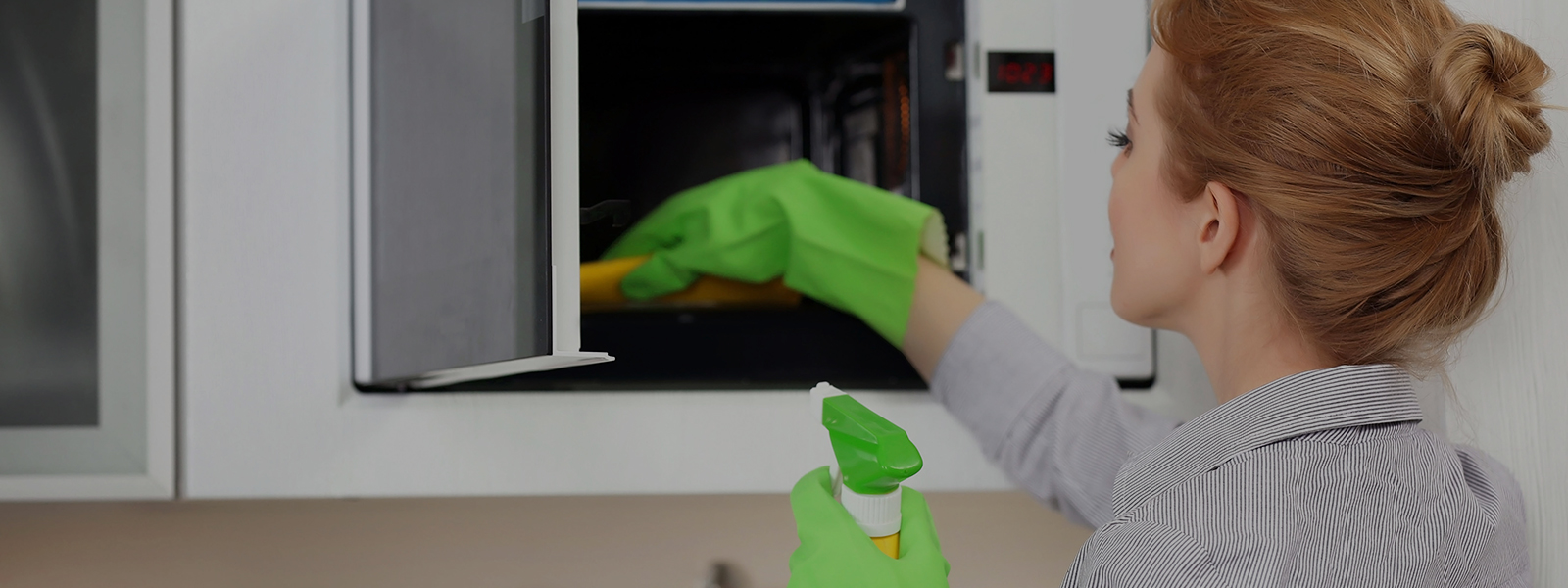
If you live in the flat full time, regular cleaning makes sense when work, commuting, travel, or family routines leave little space for deep upkeep. Many people manage the basics fine but struggle with the cumulative jobs: behind the toilet, inside the microwave, under furniture, or the edges of the shower screen. That is normal. Life gets in the way.
Landlords and property managers
If the apartment is rented, consistency matters. Tenants notice cleanliness quickly, and so do check-out reports, inventory clerks, and prospective viewers. A property that is kept clean tends to photograph better and show better, which can make a real difference between an ordinary listing and one that feels cared for.
Tenants at the end of a tenancy
End-of-tenancy cleaning is a different beast from weekly housekeeping. It usually needs a more detailed, room-by-room approach. If you are moving out, it can be worth looking at end of tenancy cleaning in Paddington to understand what is usually covered and where the big time sinks are.
Busy professionals and short-stay residents
Some flats are occupied by people who are barely there long enough to see the dust settle, except it always does. For these residents, a reliable service helps keep the apartment presentable without spending precious evenings doing chores after a long day.
People preparing for guests, photos, or a sale
First impressions matter. If you are preparing a flat for visitors, a landlord inspection, or a viewing, the goal is to make the apartment look bright, spacious, and genuinely cared for. A few hours of focused cleaning can change the whole feel of a property.
If you are thinking about the wider property context, the local articles navigating property deals in Paddington and investing in Paddington offer useful background for owners and investors who care about presentation and upkeep.
Step-by-Step Guidance
If you want a clean apartment rather than a just-about-tidy one, it helps to follow a method. Rushing usually creates missed spots, and missed spots always seem to cluster in the most annoying places.
1. Start with a quick walkthrough
Look at the whole flat before you begin. Notice what really needs attention: kitchen splash marks, bathroom limescale, dusty shelves, scuffed skirting boards, and any odours coming from bins or soft furnishings. A five-minute assessment saves a lot of backtracking later.
2. Clear surfaces and sort obvious clutter
Cleaning around piles of post, toiletries, chargers, and random cables is possible, but not ideal. Put items back where they belong so you can reach the surfaces properly. In smaller Paddington flats, this alone can transform the process.
3. Handle dust first
Use dusting methods that lift dust rather than move it from one shelf to another. High shelves, light fittings, picture frames, and skirting boards all collect more than people expect. A slightly damp microfibre cloth usually works better than dry wiping for a lot of surfaces.
4. Work through the kitchen carefully
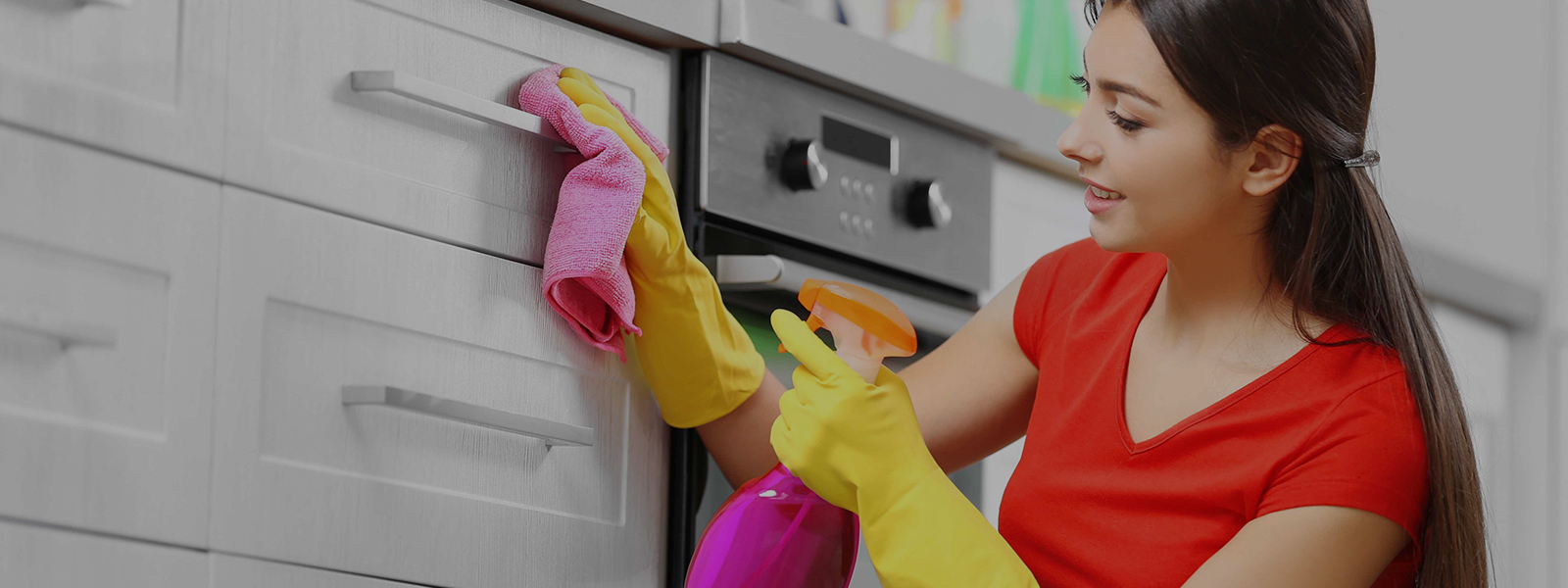
The kitchen is often the hardest-working room. Wipe external cupboard fronts, clean splashbacks, degrease around the hob, and pay attention to handles. If a property has stainless steel surfaces, use appropriate products so you do not leave streaks everywhere. That's the bit people notice immediately.
5. Clean the bathroom in stages
Bathrooms need patience more than brute force. Descale taps, clean around the toilet base, remove soap residue from tiles or shower screens, and check corners where moisture tends to sit. Ventilation matters too. A clean bathroom that still smells damp is not quite finished.
6. Refresh living areas and bedrooms
Vacuum or mop floors, wipe table tops, and deal with fingerprints on wardrobes, doors, and switches. In bedrooms, check under the bed if possible. The amount of dust that lives there is almost a running joke in London flats.
7. Finish with floors and final checks
Floors should come last because everything else sends dust downwards. Once done, walk through the apartment in natural light if you can. Look for streaks on mirrors, missed marks on door frames, and any lingering smells. If something feels off, it usually is.
Expert Tips for Better Results
There are a few habits that make apartment cleaning much more effective without making it complicated. No magic, just the sort of practical detail that saves time later.
- Use the right product for the surface. Wood, stone, glass, laminate, and fabric all behave differently. Stronger is not always better.
- Open windows where appropriate. Fresh air helps with odours and drying, especially after bathroom or kitchen work.
- Clean touchpoints more often. Door handles, switches, and remote controls are small but surprisingly important.
- Stay consistent. A regular routine prevents cleaning from becoming a weekend event you dread.
- Don't ignore edges and corners. They give away the true condition of a flat faster than any polished surface does.
- Use daylight as your quality check. Artificial light can hide streaks. Morning light tells the truth.
If your apartment has carpet, upholstered chairs, or a fabric sofa, it may be worth pairing routine cleaning with specialist support from upholstery cleaning or the carpet service mentioned earlier. Soft furnishings hold odours and fine dust in a way hard floors simply do not.
A small but useful tip: keep a "cleaning reset" kit in the flat. Nothing fancy. Microfibre cloths, a mild multi-surface cleaner, bathroom descaler, glass spray, gloves, and a vacuum that is actually good enough to use without resentment. That last bit matters more than people admit.
Common Mistakes to Avoid
People usually do not fail at apartment cleaning because they do nothing. They fail because they do the right things in the wrong order, or they use methods that create more work later.
Using too much product
More cleaner does not equal more clean. In fact, residue can attract dust or leave surfaces sticky. That's especially common on countertops, floors, and glass.
Skipping hidden areas
Behind bins, around toilet bases, under radiators, and behind small appliances are classic missed zones. These areas often reveal whether a property is genuinely clean or only tidy on the surface.
Mixing the wrong chemicals
This is an important safety point. Never mix cleaning products unless the label explicitly allows it. Some combinations can release harmful fumes, which is obviously not what anyone wants in a small flat.
Ignoring ventilation and drying time
A room can look clean and still feel damp or stale if it hasn't been aired properly. Drying time is part of the process, not an optional extra.
Trying to do everything in one rushed session
If the apartment needs a deep clean, trying to squeeze it into a too-short slot often means the job ends up half-done. Better to break it into sections than to sprint through the whole flat and miss the details.
Forgetting the standard expected by others
If you are cleaning for a landlord, guest, or buyer, your own idea of "good enough" may not be the same as theirs. A cleaner finish is usually the safer bet. A bit annoying, yes. But safer.
Tools, Resources and Recommendations
The best tools are not necessarily the most expensive ones. They are the ones you will actually use properly and regularly.
| Tool or resource | Best use | Why it helps |
|---|---|---|
| Microfibre cloths | Dusting, wiping, polishing | Lift dust effectively and reduce streaks |
| Vacuum with attachments | Floors, corners, upholstery edges | Reaches places a standard head misses |
| Mild multi-surface cleaner | General wipe-downs | Practical for daily maintenance |
| Bathroom descaler | Taps, shower screens, tiles | Helps with limescale in hard-water areas |
| Glass cleaner | Mirrors, glass tables, windows | Useful for a streak-free finish |
| Cleaning checklist | Weekly or deep-clean planning | Keeps the job organised and repeatable |
For a reputable, accountable service experience, it is worth reviewing trust pages too. The health and safety policy and payment and security pages are helpful if you want to understand how a provider approaches customer protection and secure transactions. And if you want a sense of the company's service ethos, the Paddington living article and local area guide can add useful context.
One more useful resource, especially if you like knowing how complaints and admin are handled, is the complaints procedure. Nobody books a cleaner hoping to use it, but it is sensible to know it exists. That is just adulting, I suppose.
Law, Compliance, Standards, or Best Practice
Apartment cleaning is not usually a heavily regulated task for the customer, but there are still important standards and responsibilities to keep in mind. If a service is operating in someone's home or rental property, safety, privacy, and clear communication matter.
From a practical UK perspective, good practice generally means:
- Using cleaning products according to the manufacturer's instructions.
- Keeping rooms ventilated where needed.
- Handling electrical items carefully and not using excess moisture near sockets or appliances.
- Respecting residents' belongings and personal information.
- Following safe manual handling principles when moving items.
- Being clear about what is included in the service and what is not.
If you are hiring someone to clean an apartment in a block or managed building, it is also sensible to think about access rules, concierge instructions, and building etiquette. Shared hallways, lifts, and entry systems can create awkward moments if expectations are vague. Clear arrangements help everyone.
Where a provider makes claims about insurance, safety, or service commitments, it is reasonable to check those details before booking. You do not need to overcomplicate it. Just be a little careful. It pays off.
For additional transparency, the website's terms and conditions, privacy policy, and accessibility statement are useful support pages for understanding how the service is presented and how customer information is handled.
Options, Methods, or Comparison Table
Different apartment cleaning approaches suit different needs. The best choice depends on how often the flat is used, how much time you have, and whether you are dealing with general upkeep or a specific event.
| Method | Best for | Typical strengths | Limitations |
|---|---|---|---|
| Routine domestic cleaning | Weekly or fortnightly upkeep | Keeps the flat manageable and presentable | May not address heavy build-up |
| Deep cleaning | Seasonal refresh, post-event reset, neglected spaces | Covers hidden grime and harder tasks | Takes longer and needs more preparation |
| End-of-tenancy cleaning | Move-out situations | Targets the detailed finish expected at handover | More intensive and usually more time-consuming |
| Combined specialist cleaning | Flats with carpets or soft furnishings | Improves finish and freshness across surfaces | May require additional scheduling |
If you are unsure which option fits your apartment, start with the condition of the property rather than the calendar. A modest flat that is very tidy may only need routine cleaning. A flat that has been used heavily, left closed up, or prepared for moving out will probably need more. Simple, really.
Case Study or Real-World Example
Picture a one-bedroom apartment on Sussex Gardens used by a professional who travels often and works long hours. The flat looks neat at first glance. Clothes are put away, the kitchen is mostly tidy, and the bathroom seems fine. But after a closer look, there are the usual signs of a busy week or two: dust along the skirting, water marks near the taps, fingerprints on cupboard handles, and crumbs hidden behind the toaster.
Instead of treating the whole apartment as one giant job, the cleaning is split into logical steps. The kitchen gets attention first because that is where grime becomes visible fastest. Then the bathroom, because limescale and soap residue can build up quickly in small spaces. After that come the living area and bedroom, where dust and fabric care make the biggest visual difference.
What changed? The flat did not become a showroom, and it did not need to. It simply felt lighter, better organised, and easier to keep that way. The owner could walk in after a late train and breathe out a little. That is the real value in many cases. Less mental clutter, fewer little jobs nagging at you, and a home that feels like it is looking after you back.
Now imagine the same apartment after a tenancy changeover. The cleaning focus would shift. Inside cupboards, behind appliances, around bathroom fittings, and on all the touchpoints would matter more. A move-out clean is less about maintaining daily comfort and more about achieving a consistent standard for the next person. Different goals, different process.
Practical Checklist
Use this checklist before or during apartment cleaning on Sussex Gardens, Paddington. It keeps things calm when the list starts to grow, which it always does.
- Remove obvious clutter from work surfaces and floors.
- Open curtains or blinds to let in natural light.
- Dust high surfaces, lights, frames, and shelves first.
- Clean kitchen surfaces, cupboard fronts, appliances, and splashbacks.
- Descale bathroom taps, shower screens, tiles, and sinks as needed.
- Wipe switches, handles, remotes, and other touchpoints.
- Vacuum or mop floors last.
- Check under furniture and around edges.
- Air the flat for freshness and better drying.
- Do one final walkthrough before finishing.
Expert summary: the best apartment cleaning is not the most dramatic one. It is the one that is consistent, well judged, and matched to the actual condition of the flat. On Sussex Gardens, where homes can range from compact and modern to older and more characterful, that sensible approach saves time and gives a better result.
If you are ready to explore a service that fits your apartment, start with the local service pages and compare them against your actual needs. If you want a broader picture of what is available, the services overview and pricing and quotes pages are a good next step. You can also learn more about the team through the about us page, which helps build confidence before you book.
Get a free quote today and see how much you can save.
Conclusion
Apartment cleaning on Sussex Gardens, Paddington is really about making a busy London home easier to live in. The right approach depends on the property, the routine, and the result you want, but the principles stay the same: work methodically, use the right tools, respect the surfaces, and do not leave the details to chance.
For residents, that means a calmer, more comfortable flat. For landlords and tenants, it means a better handover and fewer last-minute surprises. For everyone else, it simply means walking into a space that feels fresh and looked after. And honestly, that feeling is worth a lot on its own.
When a home is clean, the rest of the day tends to go a little better. Not always, of course. This is London. But enough to matter.