Health and Safety Policy for Cleaners Paddington
 Health and safety is central to every professional cleaning service. This policy sets out how cleaners Paddington can work safely, protect clients, and maintain high standards while carrying out daily tasks. It applies to routine domestic cleaning, office cleaning, deep cleaning, and specialist tasks where risks may be higher.
Our approach is based on prevention, clear communication, and consistent working methods. Every cleaner is expected to understand safe procedures, use suitable equipment, and report any hazard immediately. We believe that a well-managed cleaning service should reduce risk rather than create it.
Before any task begins, cleaners should assess the environment and identify possible issues such as wet floors, sharp objects, exposed wires, unstable furniture, or poor ventilation. A short risk check helps to make sure the work is suitable for the area and that the correct tools and cleaning products are selected. Safety always comes before speed.
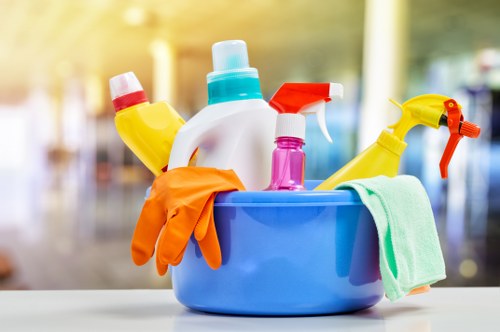
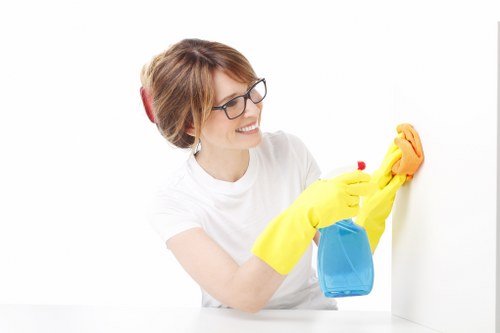
All cleaning products must be used according to the manufacturer’s instructions. Chemical containers should remain clearly labelled, securely closed, and stored away from food, heat, and children. Where required, cleaners must wear suitable personal protective equipment, including gloves, aprons, eye protection, or masks when handling stronger substances.
Good hygiene practice is essential. Hands should be washed regularly, especially after handling waste, cleaning toilets, or using chemical products. Reusable cloths and mops must be cleaned and dried properly to avoid contamination. Equipment should be checked before use to make sure it is in safe condition and suitable for the job.
 If a product splashes onto skin or into the eyes, the cleaner must stop work, follow the correct first aid response, and seek help if needed. Any spill should be contained quickly using safe methods. In the event of a serious incident, the area must be made safe before work continues.
Cleaners Paddington should use safe lifting and handling techniques at all times. Heavy bags, bins, vacuum machines, and water containers must be moved carefully to avoid strain. Where an item is too heavy or awkward, it should be lifted by two people or moved with suitable equipment. Bending and twisting should be avoided wherever possible.
Slips, trips, and falls are among the most common cleaning risks. Floors should be kept as clear as possible, warning signs used where surfaces are wet, and cables positioned safely. Cleaning tasks should be organised so that people can move through the area without unnecessary obstruction. In busy spaces, cleaners should work methodically and remain alert to changing conditions.
Effective ventilation is also important when using cleaning agents or working in enclosed rooms. Windows or doors should be opened where practical, and cleaners should never mix products unless the label specifically allows it. Mixing chemicals can create dangerous fumes and must be avoided entirely.
 Waste must be removed safely and disposed of in line with the client’s arrangements and general hygiene standards. Sharps, broken glass, and potentially contaminated waste require special care. If anything hazardous is discovered, the cleaner should not touch it unless trained and equipped to do so. Instead, the situation should be reported and managed through the correct procedure.
Training is a key part of this policy. All staff should receive instruction on safe use of equipment, product handling, emergency actions, and hygiene standards before carrying out work independently. Refresher training should take place regularly so that procedures remain clear and up to date. Supervisors should monitor performance and correct unsafe practices promptly.
Cleaners must also respect client property and maintain a calm, professional manner. Rooms should be left secure after cleaning, and doors, windows, alarms, or restricted areas should only be handled according to agreed instructions. If an unusual risk is noticed, the cleaner should pause and seek guidance rather than continue blindly.
Emergency readiness is an important part of safe working. Fire exits must remain unobstructed, and cleaners should know how to leave the premises safely if an alarm sounds. Any fire, injury, chemical exposure, or security concern must be reported immediately through the appropriate channel. Delays can increase harm and make incidents harder to manage.
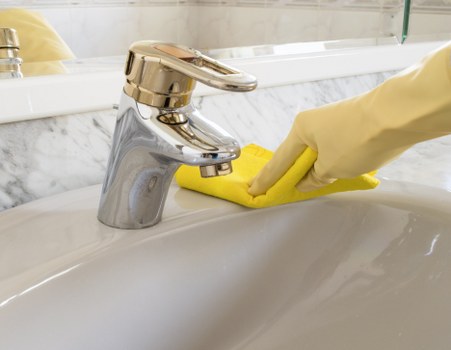 Equipment safety must never be overlooked. Electrical items should be checked before use, with damaged plugs, frayed cables, or faulty machines taken out of service at once. Machines should not be used with wet hands unless they are designed for that purpose and the instructions permit it. Correct storage after use helps prevent damage and accidental misuse.
It is also essential to support the wellbeing of cleaners. Breaks should be taken where possible, workloads should be reasonable, and any concern about fatigue, stress, or physical discomfort should be raised early. A healthy workforce is more likely to work safely and consistently.
 This policy is reviewed regularly to ensure it remains effective and practical. Updates may be made after incidents, changes in working methods, or the introduction of new products or equipment. Every cleaner is expected to follow these standards and contribute to a safe, well-organised service.
In summary, the health and safety policy for Paddington cleaners is built on careful planning, proper training, safe product use, and responsible behaviour. By following these principles, cleaners can protect themselves, clients, and the places they work in while delivering reliable results.