Complaints Procedure for Cleaners Paddington
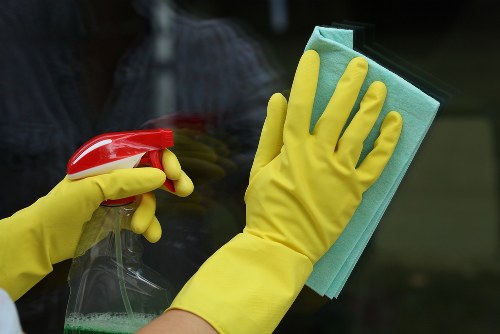 A clear complaints procedure is an important part of any cleaners Paddington service because it helps resolve concerns quickly, fairly, and professionally. Even when a cleaning service is well organised, issues can still arise from time to time, such as missed tasks, access problems, scheduling misunderstandings, or concerns about the standard of work. A structured process gives customers confidence that every concern will be taken seriously and handled with care.
For a Paddington cleaners complaints procedure, the aim should always be to make the process simple and respectful. Clients should know what to expect, how a complaint will be reviewed, and what steps may follow. This helps reduce frustration and supports a more reliable service relationship. A strong process also assists cleaning teams by creating consistent expectations and clear communication.
 At the heart of an effective complaint handling procedure is fairness. Each complaint should be reviewed on its own facts, without assumptions or rushed conclusions. The person receiving the complaint should listen carefully, note the key details, and identify the exact issue. This makes it easier to understand whether the concern relates to missed duties, damage, timing, conduct, or another service matter.
Receiving and recording a complaint
When a complaint is raised, it should be acknowledged promptly. A polite and professional response shows that the matter is being taken seriously. The complaint should then be recorded clearly, including the date, nature of the issue, and any relevant service information. Accurate notes are useful for internal review and for tracking recurring patterns that may need attention.
In a cleaners Paddington complaints policy, it is helpful to separate the complaint into practical categories. For example, one issue may involve an incomplete clean, while another may relate to communication or punctuality. Organising concerns in this way allows the business to respond more effectively. It also helps ensure that cleaning complaints are not treated as vague frustrations, but as specific matters requiring action.
 Some complaints may be resolved quickly through clarification or a simple corrective visit, while others may need a more detailed investigation. Either way, the process should be transparent. Clients appreciate knowing that their concern will be assessed carefully and that any response will be based on facts rather than guesswork. This approach supports trust and professional accountability.
Investigating the issue
Once the complaint has been recorded, the next step is to investigate. This may include checking schedules, task lists, service notes, or any internal records connected to the visit. If needed, the cleaner involved may be asked to provide their account of events. The goal is not to assign blame immediately, but to understand what happened and why.
A good cleaners Paddington complaint process should also consider whether the issue can be corrected through a practical solution. For example, if a room was missed, a follow-up clean may be arranged. If an instruction was misunderstood, the service plan may need to be updated. In some cases, the business may decide that additional supervision or clearer communication is required. These actions show that the complaint procedure is not only reactive, but also focused on improvement.
The investigation stage should be handled with care, consistency, and discretion. Confidentiality is important, especially when the complaint involves staff conduct or sensitive details. By keeping the process respectful and professional, a cleaning company can protect both the client relationship and the integrity of its operations.
Responding to the complaint
The response to a complaint should be clear and appropriate to the issue raised. It is useful to explain what has been reviewed, what findings were made, and what action will follow. The language should be calm and straightforward, avoiding unnecessary jargon. Where the complaint is upheld, the response should explain the remedy in practical terms. Where it is not upheld, the explanation should still be polite, balanced, and evidence-based.
For Paddington cleaning services, consistency in complaint responses is especially valuable. Different customers may raise similar issues at different times, and a consistent method helps create a fair experience for everyone. It also reduces confusion among staff, who can then follow the same steps whenever a concern is received. A well-designed response process supports reliability and professionalism across the service.
It is also useful to set a reasonable timeframe for review and resolution. While some complaints can be settled immediately, others may take longer if they require investigation or coordination with other team members. Keeping the client informed at each stage helps manage expectations and shows that the issue is actively being addressed.
Improvement and prevention
 A complaints procedure should do more than resolve individual issues; it should also help prevent similar problems in the future. Reviewing complaints over time can reveal patterns, such as recurring missed details, communication gaps, or training needs. This information can be used to improve service planning, staff training, and quality checks. As a result, the complaint procedure becomes a valuable management tool rather than just an administrative task.
For cleaners Paddington, prevention may involve better task checklists, clearer instructions, or more regular quality monitoring. It may also include better handover notes between team members or improved expectations around special requests. When a business learns from complaints, it strengthens its overall service and reduces the likelihood of repeated dissatisfaction.
 In the end, a strong complaints procedure for cleaners Paddington should be easy to follow, fair in practice, and focused on resolution. It should reassure clients that concerns will be heard, examined carefully, and dealt with respectfully. At the same time, it should give cleaning teams a practical framework for handling issues in a calm and organised way. With a consistent approach, complaints can be managed professionally and used as an opportunity to improve service quality.