Housekeeping tips for residents near Paddington Basin
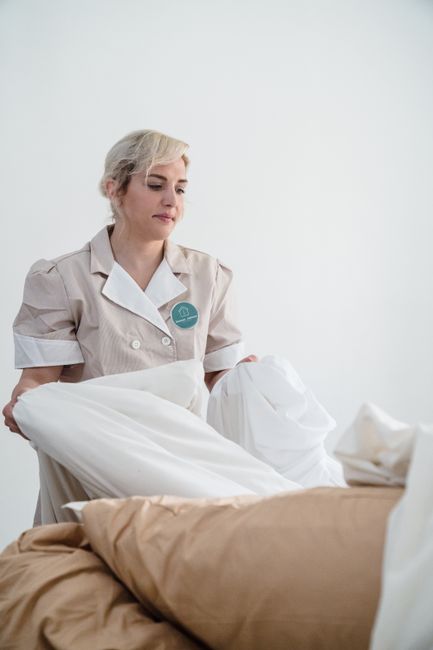
Living near Paddington Basin has its own rhythm. You get the water, the foot traffic, the mix of new developments and older blocks, and all the little everyday realities that come with city living. If you are trying to keep a flat, apartment, or shared home looking calm and clean, the right housekeeping tips for residents near Paddington Basin can make a surprising difference. Not just in appearance, either. A good routine saves time, reduces stress, and helps a place feel like home rather than a constant to-do list.
Truth be told, housekeeping in a busy London neighbourhood is less about perfection and more about staying ahead of the mess. Think of damp shoes by the door after a wet afternoon, dust settling a bit faster near windows, or a kitchen that seems to need attention the moment you finish cleaning it. This guide breaks down what matters, what to do, and how to build a routine that actually fits real life. No fuss. No nonsense. Just practical, local-minded advice.
Why Housekeeping tips for residents near Paddington Basin Matters
Paddington Basin is a polished part of London, but day-to-day living here can still be messy in very ordinary ways. People come and go, deliveries pile up, lifts get busy, and shared spaces pick up fingerprints, marks, and the occasional mystery smear. If you live in a flat near the water, you will also notice how condensation, dust, and dampness can become more obvious when rooms are poorly ventilated. That makes housekeeping less of a cosmetic task and more of a comfort issue.
A tidy home is easier to rest in. It is easier to host friends in. It is easier to keep on top of when your week is already packed. And let's face it, after a long commute or a full day in the city, the last thing anyone wants is to spend Saturday hunting for a mop and a lost sock under the sofa.
There is also the neighbourly side of it. In apartment living, your cleaning habits affect more than your own space. Odours, clutter in hallways, and poor rubbish handling can cause friction quickly. Good housekeeping helps you stay respectful of shared living, which matters a lot in dense developments where everyone is close by.
Key takeaway: near Paddington Basin, good housekeeping is really about keeping your home healthy, your routine manageable, and your living space calm enough to enjoy after a busy London day.
How Housekeeping tips for residents near Paddington Basin Works
A strong housekeeping routine works best when it is layered. That means not trying to "deep clean everything" every weekend. Instead, you keep on top of the bits that build up quickly and schedule the heavier tasks before they become overwhelming. In practical terms, the system is simple: daily resets, weekly focus areas, and occasional deeper cleaning.
For residents near Paddington Basin, the best routines usually account for apartment life. Smaller kitchens fill up fast. Bathrooms show limescale quickly. Windows can collect grime from city air. Hallways and entryways carry in rainwater and street dust. A good plan anticipates these realities rather than pretending they do not exist.
That is where professional cleaning services can support your routine, especially if your schedule is packed or your home needs a reset after a busy period. If you want broader help around the home, house cleaning services and regular cleaning support can be useful for maintaining standards without turning life into a cleaning schedule. For homes that need a bigger refresh, deep cleaning is often the sensible next step.
Think in zones, not in chaos
One of the most useful housekeeping habits is to split the home into zones. Kitchen, bathroom, living area, bedrooms, hallway. Each zone gets a different level of attention. That way, you are not cleaning in circles and you are less likely to overlook the spots that matter most.
For example, a kitchen may need daily wiping around the sink and hob, while the bedroom may only need a quick tidy and weekly dusting. Sounds obvious, but in a real flat with a busy routine, obvious things are the ones that get missed.
Key Benefits and Practical Advantages
The benefits of consistent housekeeping go well beyond "looking nice." In a local setting like Paddington Basin, good cleaning habits improve how your home feels at the end of the day and how well it holds up over time.
- Less buildup of grime: Dirt is much easier to handle when it is tackled early.
- Better indoor comfort: A clean flat simply feels fresher, especially in compact spaces.
- Reduced odours: Bin routines, kitchen wiping, and bathroom care matter more than people think.
- Longer-lasting surfaces: Regular upkeep helps protect worktops, flooring, soft furnishings, and appliances.
- Easier entertaining: If friends or family pop by, you are not scrambling in a panic. Lovely, that.
- Less stress: A tidy environment reduces that low-level background irritation that builds up over time.
There is also a financial angle, though it should be kept sensible rather than dramatic. When surfaces are maintained properly, you are less likely to face avoidable damage or replacement. A bit of care now and then can save a lot of bother later.
If your home includes carpets, upholstery, or other items that show wear quickly, a focused service can help. Pages such as carpet cleaning, upholstery cleaning, and window cleaning may be relevant if you need a more complete maintenance plan.
Who This Is For and When It Makes Sense
This kind of housekeeping advice is for anyone living near Paddington Basin, but it is especially useful if your home has one or more of the following conditions:
- a compact flat where clutter builds quickly
- a busy household with work, study, or commuting schedules
- shared living arrangements where everyone needs clear routines
- pets, children, or frequent guests
- renting situations where you want to protect your deposit and stay inspection-ready
- short-stay or Airbnb-style hosting
It also makes sense if you have recently moved in, moved out, or finished light refurbishment. A fresh start is easier to maintain than a rescued mess, but only if you keep a rhythm going. Moving from one place to another often stirs up dust and forgotten corners, so a service like move-in cleaning or move-out cleaning can help reset the home before you settle into a routine.
If you are a tenant nearing the end of a tenancy, the standard rises a bit. You are not just cleaning for your own comfort; you are preparing the property for inspection. In that case, end of tenancy cleaning becomes a very practical option.
And if you host guests, the stakes are different again. Fast turnarounds, fresh linen, spotless bathrooms, and reliable rubbish removal are what keep reviews from drifting into that awkward territory everyone dreads. For that, Airbnb cleaning can be more suitable than a general tidy-up.
Step-by-Step Guidance
If you want housekeeping to feel manageable, build it as a repeatable system. Here is a simple approach that works well for many residents near Paddington Basin.
- Start with a reset: Put away loose items first. Mail, bags, shoes, chargers, laundry. Get the surfaces visible again.
- Open the space: Air rooms for a few minutes where possible. Fresh air helps reduce the heavy, closed-in feeling that small flats can develop.
- Tackle the kitchen: Wipe counters, sink edges, hob surfaces, and handles. Empty food waste. Rinse bins if needed.
- Freshen the bathroom: Clean the basin, taps, toilet, and shower areas. In London homes, limescale tends to show up sooner than you wish it would.
- Address floors: Sweep or vacuum the main traffic areas, especially hallways and entry points where grit gets carried in.
- Dust visible surfaces: Focus on shelves, skirting edges, bedside tables, and electronics.
- Deal with laundry: Keep one cycle moving through the week if possible. Laundry left too long becomes a whole mood, and not a good one.
- Finish with a quick check: Look at the room from the doorway. If it feels balanced and clean from that view, you are probably in decent shape.
A practical weekly structure
Many people do better with a simple weekly split rather than one huge cleaning day. For example:
- Monday: reset kitchen and bins
- Tuesday: bathroom surfaces and mirrors
- Wednesday: dusting and bedroom tidy
- Thursday: floors and entryway
- Friday: laundry, linen changes, small catch-up tasks
- Weekend: deeper jobs or a proper rest, ideally both
You do not need to do it exactly this way. The point is to stop every task from becoming a "later problem." Later has a habit of becoming never.
Expert Tips for Better Results
Good housekeeping is often less about effort and more about sequence. Clean the right things in the right order, and everything feels easier.
1. Clean from top to bottom
Dust falls. Water drips. So start higher up and finish on the floor. It saves rework. Simple, but easy to forget when you are tired and just want the place done.
2. Use a two-minute rule for small messes
If a task takes under two minutes, do it immediately. Wipe the sink. Put shoes away. Clear the counter. That little habit prevents many bigger clean-ups later.
3. Keep one "reset basket"
A basket for items that need returning to another room can be a lifesaver in a flat. Instead of carrying five things one at a time, you gather them and do one tidy pass. Not glamorous, but very effective.
4. Give special attention to high-touch points
Door handles, switches, appliance handles, remotes, taps, and intercom buttons all gather grime faster than most people realise. These areas are easy to wipe and make a home feel fresher almost instantly.
5. Build in maintenance for problem areas
If your bathroom tends to get water marks, dry down surfaces after use. If your kitchen sink smells, clean the plughole more often. If shoe traffic is heavy at the entrance, use a mat and shake it out regularly. Tiny things, but they matter.
6. Consider professional help for time-heavy tasks
Some jobs are worth outsourcing because they take the most effort for the biggest visible result. That often includes oven cleaning, carpet refreshes, and deep treatment for upholstery. If you want to compare the possible supports, oven cleaning, steam carpet cleaning, and mattress cleaning are all practical options when a room needs a proper lift.
And yes, sometimes the oven really does become a science experiment. We have all been there. No judgement.
Common Mistakes to Avoid
Most housekeeping problems are not caused by laziness. They are caused by a routine that is too vague, too ambitious, or too easy to ignore when the week gets busy.
- Waiting too long between cleanings: Dirt becomes harder to remove once it settles in.
- Using too many products: More product does not always mean better results. It can leave residue behind.
- Ignoring ventilation: Closed windows and poor airflow can make a clean home still feel stuffy.
- Skipping the hidden areas: Behind taps, under furniture, around bins, and along skirting boards all matter.
- Cleaning in random order: That usually leads to extra work and frustration.
- Forgetting soft furnishings: Curtains, rugs, and sofas hold dust and odour more than people expect.
One common mistake in apartment living is treating shared spaces as if they clean themselves. They do not. Communal areas are often the first place that residents notice untidiness, and they can shape how the whole building feels. If you manage shared access or want support for common zones, communal area cleaning may be relevant.
Another mistake is leaving seasonal jobs until they become emergencies. Window grime, dust build-up, and stubborn stains are much easier to handle before they set. Early action usually means less scrubbing, less stress, less of that "why did I leave this so long?" moment.
Tools, Resources and Recommendations
You do not need a cupboard full of gadgets to keep a home near Paddington Basin in good shape. In fact, fewer, better tools tend to work better than a drawer full of random half-used bottles.
| Tool or resource | Best use | Why it helps |
|---|---|---|
| Microfibre cloths | Surfaces, mirrors, taps | Lifts dust and marks without leaving fluff behind |
| Vacuum with attachments | Floors, edges, upholstery | Useful for compact flats and awkward corners |
| Bucket and mop | Hard floors | Keeps entryways and kitchens under control |
| Gentle limescale cleaner | Bathroom fixtures | Helps with city-water marks on taps and showers |
| Storage baskets | Clutter control | Makes quick resets far easier |
| Laundry organiser | Bedrooms and utility areas | Prevents clothes from spreading everywhere |
For more specialised needs, some residents choose targeted services rather than trying to do everything themselves. For example, if you are managing soft furnishings, sofa cleaning, rug cleaning, or curtain cleaning can make the home feel cleaner in a way daily tidying cannot. If you have odour or pet-related issues, pet stain odour removal may be the most efficient fix.
There is also a sustainability angle worth considering. Using less waste, reusing cloths where suitable, and choosing a sensible cleaning routine can reduce unnecessary product use. If that matters to you, a page like recycling and sustainability may align with your housekeeping approach.
Law, Compliance, Standards, or Best Practice
For most residents, housekeeping is not a heavily regulated activity. Still, there are sensible standards to follow, especially in flats and shared buildings. Good practice matters because it protects your home, respects neighbours, and reduces the risk of complaints or damage.
If you are renting, your tenancy agreement may set expectations around cleanliness, waste disposal, and the condition of the property. It is worth reading those terms carefully. If you live in a managed building, there may also be building rules around bin storage, hallway use, and noise during cleaning or moving items. Keep those in mind. They are usually simple, but they do matter.
For professional support, it is reasonable to look for clear information about insurance, safety, payment security, and complaints handling. Those details show whether a provider takes the basics seriously. If you are comparing services, pages such as insurance and safety, payment and security, and complaints procedure can help you judge how a business operates.
Health and safety also matter in practical terms. Safe use of cleaning products, proper ventilation, and care around wet floors are all part of responsible housekeeping. For more background on this, health and safety policy is a useful reference point if you want to understand a provider's standards.
Options, Methods, or Comparison Table
Not every home needs the same approach. Some residents only need maintenance. Others need a reset. A few need specialist treatment for specific materials or situations. Choosing the right method saves time and money.
| Method | Best for | Strengths | Limitations |
|---|---|---|---|
| Regular cleaning | Weekly upkeep and busy households | Keeps mess under control with low disruption | May not remove heavy build-up |
| One-off cleaning | Post-travel, seasonal resets, or neglected rooms | Good for a bigger refresh | Needs follow-up to stay effective |
| Deep cleaning | Hard-to-reach grime and full-home refreshes | Thorough and detailed | More time and cost than basic upkeep |
| Move-in or move-out cleaning | Transitions between homes | Targets the practical end points of a tenancy or move | Usually most useful at specific moments only |
| Specialist cleaning | Carpets, upholstery, ovens, and similar items | Handles stubborn or material-specific issues | Best used when the item genuinely needs it |
If you are not sure which route fits, ask yourself one simple question: are you trying to maintain, recover, or prepare? Maintain means regular cleaning. Recover means deep or one-off cleaning. Prepare means move-in, move-out, or specialist support. That little distinction saves a lot of guesswork.
Case Study or Real-World Example
A resident in a modern apartment near the Basin had a familiar problem. The flat looked tidy at first glance, but every week the same trouble returned: dust near window ledges, marks in the bathroom, and a kitchen that felt grimy by Friday evening. Nothing major. Just enough to be annoying.
Instead of trying to "do a big clean" every fortnight, they switched to a simple rhythm. They wiped the kitchen surfaces each evening, kept a mat at the entrance for wet shoes, aired the flat every morning for a few minutes, and reserved Sundays for one focused task, such as bathroom cleaning or vacuuming under the furniture. They also booked a professional deep clean once the place had become harder to manage after a particularly busy month.
The result was not magical, but it was noticeable. The flat felt fresher, the midweek build-up became less severe, and cleaning stopped hanging over the week like a shadow. That is usually how real improvement looks, by the way. Not dramatic. Just steadily easier.
If you have pets, children, or a lot of foot traffic, the same principle applies. Small, repeated actions beat occasional heroic cleaning attempts almost every time.
Practical Checklist
Use this quick checklist to keep housekeeping on track near Paddington Basin.
- Clear surfaces daily so clutter does not collect
- Wipe kitchen counters, sink, and hob regularly
- Ventilate rooms where possible
- Empty bins before odours build up
- Vacuum or sweep entryways and main walk paths
- Clean bathroom taps, mirrors, and shower areas
- Change bedding and wash linens on a consistent schedule
- Keep soft furnishings like sofas and rugs on your radar
- Watch for limescale, damp spots, and hidden dust
- Plan one deeper task each week rather than trying to do everything at once
- Sort laundry before it becomes a mountain. A small one is fine. A mountain, not so much.
- Book specialist help when a task is beyond regular upkeep
Quick summary: if your home feels busy, start with surfaces, air, floors, and bins. Those four areas do a lot of the heavy lifting. Everything else is built on top.
Get a free quote today and see how much you can save.
Conclusion
Housekeeping near Paddington Basin works best when it fits real life. You do not need a perfect schedule or a spotless home at every moment. What you need is a sensible system that keeps the place comfortable, respects shared living, and stops small jobs from becoming major ones. That is the real win.
Whether you rely on regular cleaning, occasional deep cleaning, or specialist support for carpets, ovens, or upholstery, the goal stays the same: a home that feels calm, liveable, and easy to return to after a long day in London. And honestly, that feeling is worth a lot.
Start small, stay consistent, and give yourself a bit of credit when the routine sticks. Homes are lived in, after all. They are not showrooms. A good one just feels good to come back to.
Frequently Asked Questions
How often should residents near Paddington Basin clean their homes?
For most households, light daily resets and one weekly deeper tidy work well. High-use areas like kitchens and bathrooms usually need more frequent attention, while bedrooms and storage spaces can often be handled less often.
What are the most important housekeeping tasks in a London apartment?
In a compact apartment, the biggest wins usually come from clearing clutter, wiping kitchen surfaces, cleaning the bathroom, vacuuming floors, and keeping bins under control. Those jobs have the biggest impact on how the place feels.
Is regular cleaning enough, or do I need deep cleaning too?
Regular cleaning is enough for maintenance if you stay on top of it. Deep cleaning becomes useful when grime has built up, when seasons change, after a move, or when you want a full refresh that tackles harder-to-reach areas.
What should I do first if my flat feels out of control?
Start with surfaces and rubbish. Remove clutter, empty bins, and clean the kitchen and bathroom basics first. Once the visible mess is reduced, the rest becomes much easier to manage.
How do I keep my home from smelling stale?
Ventilation helps, as does regular bin emptying, laundry control, and cleaning soft furnishings. Carpets, sofas, and curtains can hold odours longer than hard surfaces, so give them attention when needed.
Are professional cleaning services worth it for busy residents?
Yes, especially if your schedule is tight or your home needs a reset. Many residents find that outsourcing specialist jobs like carpet cleaning, oven cleaning, or deep cleaning saves time and keeps the home in better shape overall.
What housekeeping tasks matter most before guests arrive?
Focus on the entrance, bathroom, kitchen, and visible living areas. Clear surfaces, empty bins, wipe taps and handles, and vacuum the main traffic zones. You do not need perfection; you need a space that feels fresh and welcoming.
How can I reduce cleaning time each week?
Do little things as you go. Put items away immediately, wipe spills straight away, and keep a simple cleaning order. A small amount of regular attention prevents big jobs later. That is the trick, really.
What if I live in a shared flat near Paddington Basin?
Shared flats work best with clear responsibilities. Agree on bin duties, bathroom care, kitchen standards, and how often common areas need a proper reset. Without that, small frustrations build up quickly.
Do I need special care for carpets and upholstery in city homes?
Often yes. City dust, foot traffic, and occasional spills can wear soft furnishings faster than expected. Regular vacuuming helps, but periodic specialist cleaning can restore freshness and help items last longer.
How do I choose between one-off cleaning and regular cleaning?
Choose regular cleaning for maintenance and one-off cleaning for a bigger reset. If the home is already mostly under control, regular service may be enough. If things have drifted, one-off or deep cleaning is usually the better starting point.
What is the most overlooked housekeeping area?
High-touch surfaces and hidden edges tend to be forgotten most often. Think switches, handles, skirting boards, under furniture, and behind bins. These small zones make a bigger difference than people expect.